
What a Continuous Shuffling Machine Changes in Blackjack, and What It Does Not
Arizona gaming rules define a shuffling device as an electro-mechanical machine that continuously and/or automatically reshuffles cards and may randomly insert previously dealt and discarded cards back into the card stack. The same definition says the device may be integrated with a shoe. That detail is the whole CSM question in miniature.
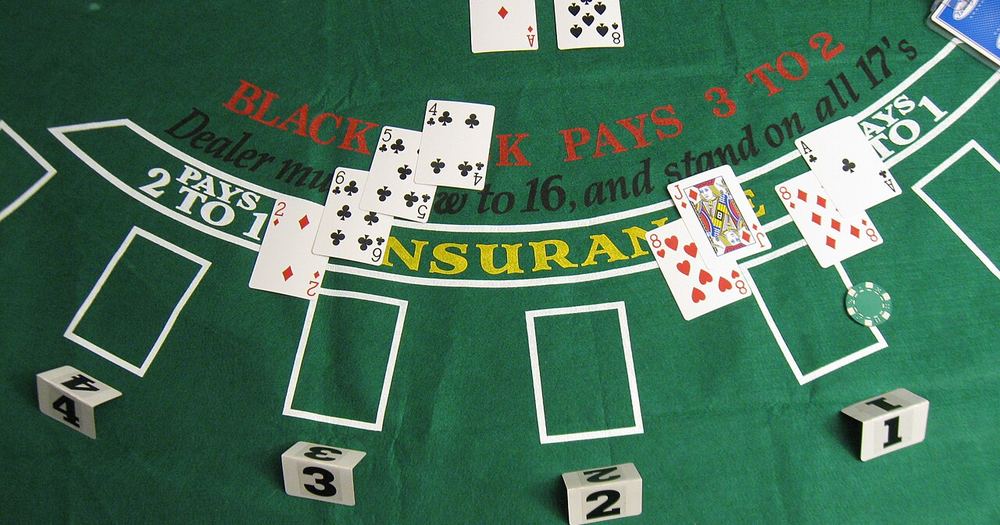

On a conventional shoe game, the discards sit out until the next manual shuffle. A continuous shuffling machine closes that gap. The card a player just saw can reappear on the next hand.
But the machine does not rewrite the dealer’s standing rules or the payoff on an ordinary blackjack hand. What it changes is what the next card is drawn from, and how quickly the next hand begins.
What the Machine Does
Arizona requires a shoe and shuffling device at each blackjack table, and allows the shoe and the automated shuffling device to be combined as one operating device. That combined unit is the familiar CSM setup: a shoe housing a mechanism that continuously returns cards to play.
Colorado’s 1 CCR 207–1-8 rule adds a verification requirement. Pre-shuffled cards are only used on games that use shuffle machines, and each shuffle machine must verify each card and identify any missing card. That is a security function, not a strategy function.
A malfunction does not force a table to close immediately. Under Arizona gaming rules, the dealer may shuffle the cards by hand while the device is repaired or replaced within a reasonable time. The game continues, but the dealing condition temporarily reverts to a manual shoe.
What the Rules Say the Table Must Have
Washington is explicit on equipment standards. If a shuffle machine is used, the Washington State Gambling Commission says it must be a WSGC-approved model manufactured by a WSGC-licensed manufacturer. That approval requirement means a floor cannot drop an unvetted machine onto a table because the pit wants fewer shuffle breaks.
The same regulator approved Lucky Lucky blackjack rules in November 2021 that allow the bonus wager on a game played with a continuous shuffler. So a CSM does not, by itself, make a side bet illegal under Washington rules.
Arizona takes the inspection burden daily. Its rules require shoes and shuffling devices to be checked each gaming day before play begins to ensure they are not damaged, operate properly, and have not been compromised in any way that might affect the integrity of the blackjack game. That inspection is a compliance step players rarely see but regulators treat as routine.
What Changes for Advantage Play
The changing composition of a shoe is what a card counter monitors. A CSM undercuts that because previously dealt and discarded cards can go straight back into the stack. The depletion signal is weaker, or gone, on every hand. A strategy page states the point directly: a continuous shuffling machine makes counting impossible.
Notice what that does and does not imply. It does not mean the game is unbeatable. It means the counting method tied to deck composition no longer has the same information to work with. No state rule text in this review uses the phrase “loses its edge”; what is supported is narrower and more specific.
The house edge still comes from the payoff rules, the dealer’s standing rules, splitting and doubling restrictions, and the player’s decisions. A CSM removes one tool, not the entire arithmetic.
What Does Not Change for Ordinary Strategy, and What Gets Faster
For a basic strategy player, the Wizard of Odds page says a continuous shuffler game should be preferred if the goal is to minimize the house edge. The reason is specific: if basic strategy is used, shufflers lower the house edge slightly because the cut-card effect is omitted. That is not a new chart. It is the same decisions against a slightly different dealing structure.
A strategy page says the same thing about the player’s choices: basic strategy does not change. A CSM does not turn a 12 against a dealer 2 into a hit on one table and a stand on another. The decisions come from the dealer’s upcard and the player’s total, not from where the next card physically sits.
The pace is the other change. A strategy page estimates a CSM table cuts out the shuffle break and pushes the game from around 80 hands per hour up to 100-plus. That number is a secondary estimate, not a regulator’s technical bulletin. Still, it matches the operational logic: no break to shuffle means more decisions per hour for the same bankroll.
The practical tradeoff is that a continuous shuffler blocks composition-based edge play, leaves basic strategy untouched, and speeds up the game. The player’s job at a CSM table is not to learn a new chart. It is to decide whether more hands per hour at the same rules is a cost or a feature.
General information about how bets, offers and casino rules work, not a recommendation to place any wager. Rules, limits and prices change; check the operator's or agency's own page before acting.