
The Psychology of Risk: Why We Gamble and How to Stay in Control
You press Spin. The reels blur, then slow. Two jackpot symbols line up. The third almost clicks into place and slips by. Your chest jumps. Time bends. You tell yourself, “One more.” We all know this pulse. But why does it feel so good, and why is it so hard to stop at “enough”?
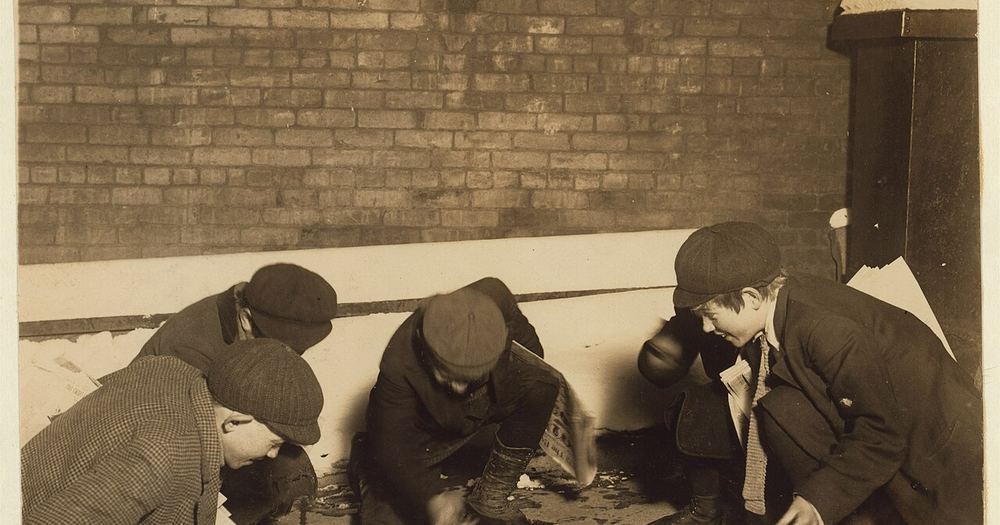
_playing_craps_in_the_jail_alley_at_10_P.M._LOC_cph.3a38908.jpg)
Read this first: what this piece is (and isn’t)
This guide explains why risk feels good, how games pull us in, and what tools help you stay in charge. It is clear, practical, and grounded in research. It is not a sales pitch. It is not a lecture. If gambling harms your life, seek professional help. This article is for information only.
Your brain on risk, in plain words
Risk can feel exciting because your brain’s reward system reacts to change and to “maybe.” A small brain chemical, dopamine, rises when a reward might come. It also rises when you learn and when you expect joy, not just when you win. This is why a near-win can feel almost as strong as a win.
We also differ by age, mood, stress, and genes. Some people seek more thrill. Others use games to escape. Research on risk by the American Psychological Association explains how traits and context shape choices. See the research by the American Psychological Association.
For a simple look at dopamine and reward pathways, see the NIDA overview of reward pathways. And note: “gambling disorder” is a real health issue in the medical code. You can read the ICD‑11 entry from the WHO.
Prospect theory, no math
We feel losses more than gains. A lost $100 hurts more than a won $100 feels good. This tilt in our mind is one reason we “chase” losses. It is part of what economists call Prospect Theory. The work behind it won a Nobel Prize; here is the short Nobel summary.
Prospect Theory also says we tend to overrate small odds and underrate large odds. That is why a tiny chance at a huge jackpot can pull so hard. For a plain explainer, try the BehavioralEconomics.com guide.
Inside the game: why you keep playing
Most casino games use a “variable ratio” pattern. You do not win on a set count. You win at random. This pattern is powerful. It keeps the brain alert because the next reward could be right now. Slots, lotteries, and even some video games use this schedule.
Near-misses are part of the hook. A near-miss looks like a win that just slipped away. Your brain may fire almost like it did win. That makes you try again. See an open‑access study on the near‑miss effect for details.
There is also the “illusion of control.” You feel your choices change the odds, even when the game is random. Picking numbers by hand or tapping at a “lucky” time feels better than auto play, but it does not change chance. Here is a good overview in Frontiers in Psychology.
Two more common traps: the “gambler’s fallacy” (“black is due after five reds”) and the “hot hand” (“I am on a streak”). Both come from seeing patterns in noise. Each spin or round is still independent.
Two short portraits
Player A likes speed and novelty. They set a budget before they play. They stop when the timer rings. They share results with a friend. They treat a session like a movie ticket: a set cost for a set time.
Player B plays late at night. They raise stakes after a bad day. They hide it. They skip bills to “get even.” They tell themselves it is “just a phase.” Their sleep and mood get worse. They avoid calls. They feel stuck. If you see yourself here, the help links below can be a start.
Do a 60‑second self‑check
- Have you raised your stakes to feel the same rush?
- Do you chase losses to “get back to even”?
- Do you hide gambling from family or friends?
- Have you used credit or loans to keep playing?
- Have you missed work or sleep due to gambling?
- Do you break your own rules on time or budget?
- Do you feel restless or low when you try to stop?
- Does gambling harm your money, mood, or ties?
If you tick “yes” three or more times, pause. Read the toolkit below and the “When fun stops” section. You are not alone. Help works.
A toolkit that actually helps
Plan your limits before you start. Decide your max loss per day and per week. Decide your time limit. Write both down. Add one more: a “cool‑off” rule. When you hit any limit, you stop for 24–48 hours. No edits mid‑game.
Build friction. Use app or site tools to set deposit limits, loss caps, and time outs. Turn on two‑step checks for withdrawals so you cannot act fast when stressed. Many sites support this. Use them.
Use bankroll basics. Pick a set bankroll for play. Split it into small parts. A simple rule: risk no more than 1–3% of your bankroll per bet or spin. Keep a simple log: date, game, stake, result, time spent, mood before/after. It helps spot tilt. See a plain money plan guide from the CFPB: budgeting basics.
Set stop signals you cannot ignore. Use a real timer. Set it before you start. When it rings, stand up, drink water, take five deep breaths, and leave the game screen. Decide a “walk‑away in profit” rule too. For example, stop if you are up 30% of your session budget. A small win you keep is better than a big swing you lose.
Make a social pact. Tell a friend your limits before you play. Send them your log after. Give them permission to call you out. If you live with someone, keep play to a public room, not late at night, and never when sad or drunk.
Know and use self‑exclusion. Most regions offer ways to block yourself from sites or venues for set time frames. You can also install blocking apps on devices. These tools help you stick to your own rules.
Money math 101: house edge and RTP
Every game has a built‑in edge for the house. This is how the venue earns. The “house edge” is the average cut over time. RTP (return to player) is the share that goes back to players over long periods. Both are long‑run numbers. Your night may not match them. A near‑win does not change math. For a neutral hub on game data, see the UNLV Center for Gaming Research.
Expect swings. Volatile games give fewer wins but bigger jumps. Low‑vol games hit more often but smaller. Match the game to your risk limit. Do not change stakes on tilt. If you feel your heart race, breathe and take a break.
When fun stops: first steps that work
Signs of harm include stress, debt, broken sleep, lies, and lost time. The Mayo Clinic has a clear overview of symptoms and causes. Read the Mayo Clinic guide.
Your first steps today can be simple: tell someone you trust, set a hard block, and move money out of easy reach. In the UK, start with the NHS support page and GamCare. In the US, see the National Council on Problem Gambling. For a clinical explainer, read Yale Medicine on gambling disorder. You can also learn tips from the Responsible Gambling Council.
Before you play: how to reality‑check a game
If you choose to play, vet the game first. Look for clear RTP ranges, real volatility notes, bonus terms, wagering limits, withdrawal rules, and payout speed. Independent reviews can help you see past hype and bright lights.
For Spanish‑speaking readers in Colombia, you can find clear lists and reviews of casinos con dinero real Colombia. Use such guides to compare rules and to plan safer play. Keep your limits, even with the best terms.
FAQ — short, real answers
Is risk‑taking hardwired or learned?
Both. Our brains react to “maybe” by design. But family, stress, culture, and habits shape how much we seek risk and how we act with it.
What is dopamine’s role in gambling?
Dopamine helps your brain learn and track rewards. It rises with cues and near‑wins too. That is why “almost” can feel so strong.
How do I set limits I will keep?
Set them when calm. Write them down. Use site tools to lock them. Tell a friend. Add a cool‑off rule. Use a timer. Make it easy to stop and hard to keep going.
Can I get the “rush” without gambling?
Yes. Try new sports, cold plunges, dance, music jams, hard puzzles, or a timed run. These bring safe arousal without money risk.
What is self‑exclusion, and does it work?
It is a block you set with a site or a region. It locks you out for months or years. It works best with budget rules, blocks on banks, and social support.
Everyday biases in gambling — what they look like and how to counter them
| Gambler’s fallacy | “After 5 reds, black is due.” | Your brain seeks patterns in noise. | Treat each spin as fresh. Set stop rules by time, not outcomes. | Prospect Theory context |
| Near‑miss effect | Almost win; “one more try.” | Near‑wins also fire reward circuits. | Pre‑commit to exit after 2 near‑misses. Take a 10‑minute break. | Open‑access study |
| Loss aversion | Chasing losses to get “back to even.” | Losses hurt more than gains please. | Set a fixed loss cap per session. Stop at −X% no matter what. | Plain explainer |
| Illusion of control | “My choices change random odds.” | We overrate personal skill and input. | Use auto‑pick. Track outcomes. See that results do not change. | Frontiers article |
| Sunk cost fallacy | “I’ve put too much in to quit now.” | Past costs cloud present choices. | Reset: only the next bet matters. Walk at your time or loss cap. | APA context on risk |
| Overconfidence | “I can outsmart the game.” | Winning early boosts false skill belief. | Write pre‑game rules. Review your log. Let data humble you. | UNLV data hub |
Field notes you can use tonight
- Only play when calm and rested. Never play to fix a mood.
- Use one payment method for play. Keep it separate from bills.
- Set two alarms: a mid‑session check at 30 minutes and a hard stop at 60.
- Bring water, not beer. Hydration helps focus and self‑control.
- Stand up every 20 minutes. Movement breaks the trance.
- End on time, win or lose. Treat time like money.
Quick math examples (no jargon)
If your weekly free cash is $200, you might set a $100 play budget. Keep $100 for life needs and savings. From the $100, risk 2% per spin or bet. That is $2 each time. If you hit −$50 in a week, stop. If you are up $30 in a session, consider a walk‑away. You will enjoy the win longer when you keep it.
Sources and further reading
Short, trusted reads to go deeper:
- American Psychological Association on risk‑taking — traits, context, choices.
- NIDA on reward pathways — dopamine in plain words.
- Nobel summary on Prospect Theory — why losses loom larger.
- PLOS ONE near‑miss study — how “almost” hooks the brain.
- UNLV Center for Gaming Research — house edge, industry data.
- Mayo Clinic — clear health guide.
- NHS, NCPG, GamCare — support and helplines.
- WHO ICD‑11 entry — medical framing.
Plain disclaimer
This article is for information only and is not medical, legal, or financial advice. If you think you may have a gambling problem, seek professional help and use the support links above.
Last updated: . Editorial note: We cite peer‑reviewed studies and leading public health sites. We avoid hype and do not promise wins. Affiliate disclosure: if a link is commercial, we will say so. The link to support services is not commercial.
General information, not a recommendation to place any wager. Offers, ratings and prices are as of the original writing and have not been updated.